
Copper tube has built Australia’s homes, hospitals and high-rises for over a century. And yet, as inferior quality tube enters the market and alternative materials jostle for attention, a handful of persistent myths have taken hold that are costing people money, performance and peace of mind on and off the job.
As Australia’s only copper tube manufacturer, we’re well placed to set the record straight.
“All copper tube is the same”
This is the most damaging myth in the industry — and it’s become more relevant as inferior quality imported copper enters the Australian market.
Two lengths of copper tube can look identical on a store rack. Same colour, same diameter, same length. But the differences can be significant, and they won’t reveal themselves until the job is done and something goes wrong.
Over 87% of Kembla tube is manufactured from 100% LME Grade A copper cathode — the purest commercially available form, sourced from BHP Olympic Dam in South Australia. That means consistent wall thickness, predictable behaviour and clean internals throughout every single length. Tube made from scrap-based feedstock carries impurities and inconsistencies that affect everything downstream including joining performance, bendability, pressure ratings and long-term reliability, whether it’s carrying water, gas or refrigerant.
Ask what brand of copper you are purchasing before you assume the price difference is the only difference.
“Copper is being replaced by other materials”
Alternative materials have made inroads in certain applications and in each case, for specific, context-dependent reasons. But the broader narrative that copper is being phased out doesn’t reflect what’s actually happening across Australia’s building industry.
For water supply, gas, medical gas, fire protection and refrigerant pipework, the full spectrum of building services applications, copper remains the dominant specified material. Its combination of thermal performance, pressure ratings, longevity, repairability and proven compatibility with Australian conditions is unmatched by any single alternative.
The cases where alternatives are used are narrow. The cases where copper remains the only sensible choice are far broader and that’s before you factor in the whole-of-life cost comparison, where copper’s durability consistently outperforms materials that look cost-effective at the point of purchase.
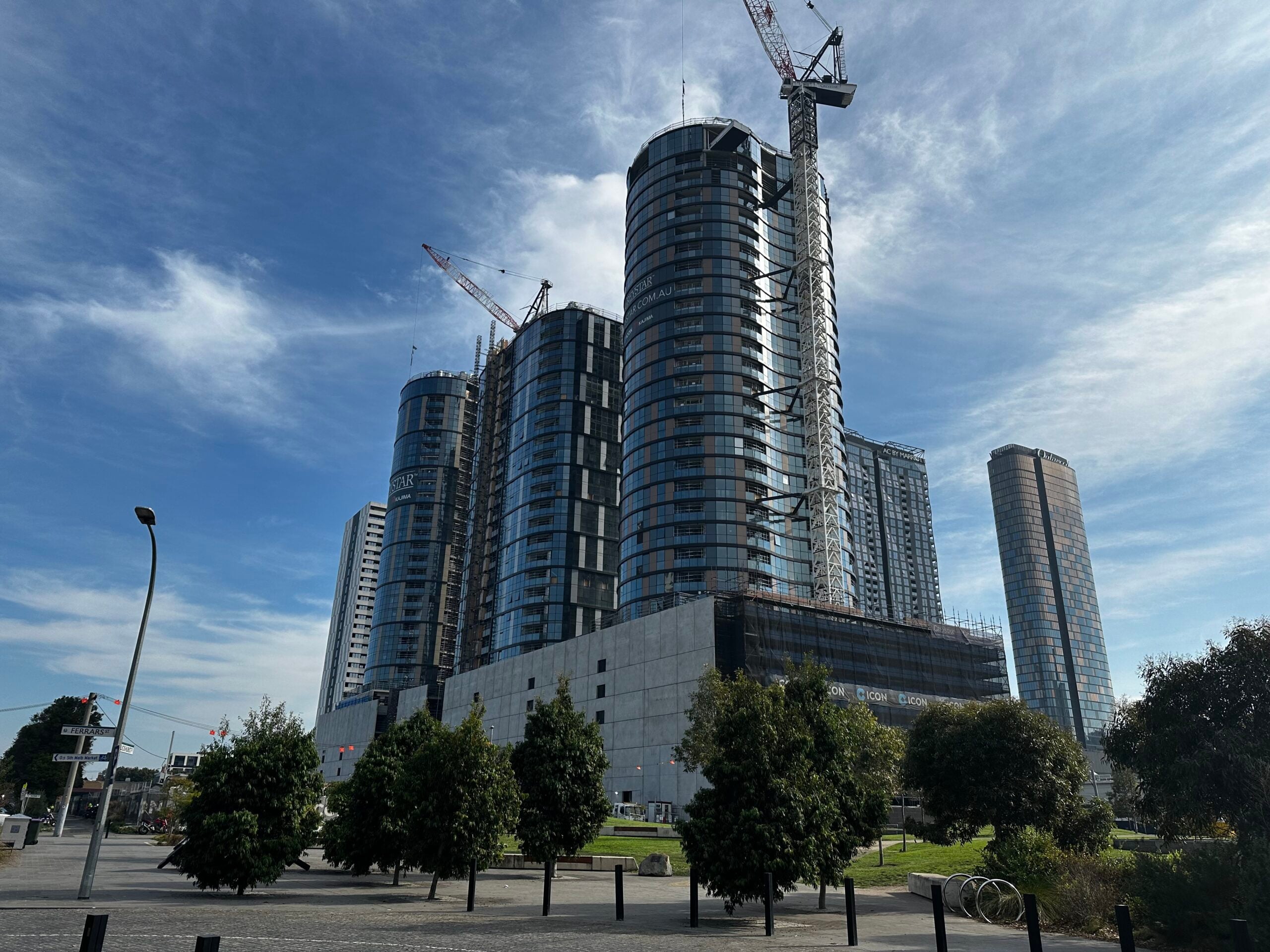
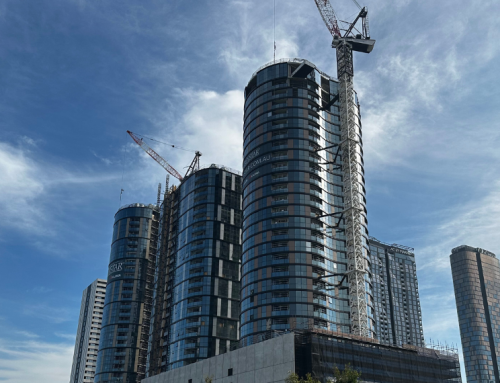
Kembla Copper back of wall on Australia’s most iconic buildings, standing the test of time.
“Copper corrodes easily — and isn’t safe for drinking water”
Both parts of this misconception deserve to be put to rest because copper’s track record on both fronts is exceptional.
On corrosion: copper is one of the most naturally corrosion-resistant materials used in construction. When exposed to air or water, it develops a stable protective oxide layer that shields the metal beneath which is why copper water supply installations from the 1950s and 60s are still performing reliably in Australian buildings today. It handles coastal environments, underground burial and exterior exposure without the degradation that affects many alternative materials. When copper corrosion does occur in the field, it almost always traces back to external factors like aggressive water chemistry, design variables, maintenance processes or incorrect installation practice, not a failure of the material itself.
On drinking water safety: copper has been used for potable water systems for thousands of years, and modern science explains why. Copper is naturally antimicrobial — its surface actively inhibits the growth of harmful bacteria. This isn’t a side benefit; it’s a documented material property that makes copper the preferred choice for water supply in hospitals, aged care facilities, schools and commercial buildings where water quality and public health compliance are non-negotiable.
Plastic alternatives don’t carry these same antimicrobial properties. In applications where the health of building occupants is a genuine consideration, copper’s natural performance advantage is a meaningful specification point — not just a legacy choice.
“Cheaper alternatives are just as good”
The comparison of alternatives and copper rarely accounts for what actually determines value over the life of an installation.
A tube that fails a pressure test, joins that don’t hold, a system that doesn’t perform to spec after commissioning, the labour cost of a single callback almost always exceeds the cost difference between quality tube and the cheaper alternative many times over. Add in system performance, longevity and the value of material traceability and certification on commercial projects, and the economics of the cheaper option look very different.
Kembla copper tube manufactured in Australia only uses CopperMark certified 100% LME A Grade Copper Cathode, tube manufactured to Australian standards and carries GreenTag GreenRate Level A certification. That’s not just compliance paperwork — it’s the documentation that backs you up when a project demands it.
“Copper isn’t a sustainable choice”
The sustainability story for copper is one of the strongest of any construction material. Copper is 100% recyclable with no loss of quality or properties, and the CSIRO estimates that between 65-80% all copper ever mined is still in active use today, which is a recycling record no plastic alternative comes close to matching. A copper installation that serves a building for 50-plus years also carries a significantly lower whole-of-life environmental impact than a material requiring replacement every 15 to 20 years.
Kembla copper starts as cathode from BHP Olympic Dam in South Australia. The supply chain is short, transparent and fully traceable which is a meaningful sustainability advantage over imported product shipped from the other side of the world. GreenTag GreenRate Level A certification and CopperMark status back this up with independent third-party recognition, supporting green building program credit points for projects where that matters.
Copper has earned its place in Australian construction through genuine, proven performance across every building services application. The myths that surround it don’t hold up to scrutiny. When you know the difference, the choice is straightforward.
Kembla. Copper. Unrivalled.