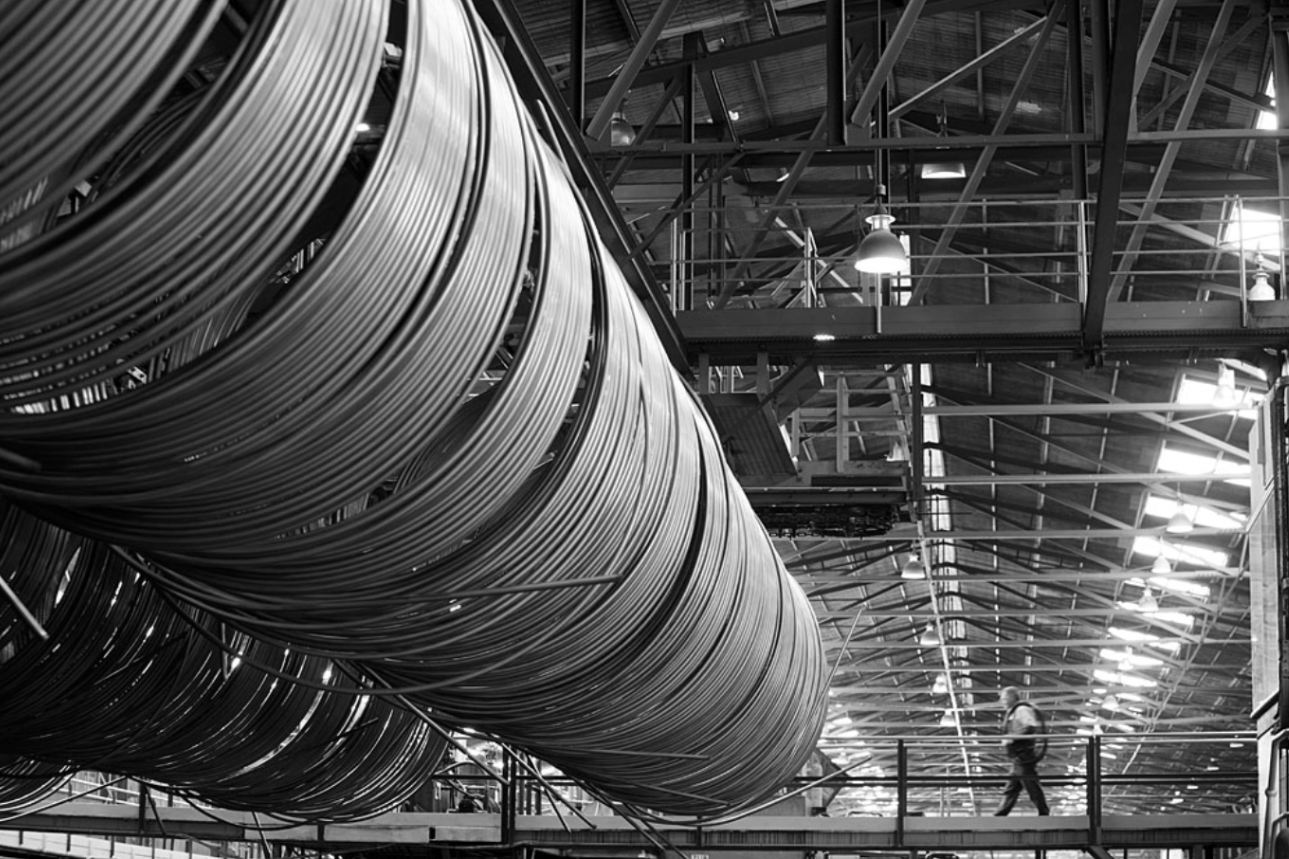
Quality doesn’t happen by chance. It’s built into every stage of the process.
Copper tube might look simple once it’s installed, but there’s a lot that goes into making a product that performs as intended. From the quality of the raw material, to the processes used to shape the tube, every stage plays a role in determining the characteristics of the finished product. Getting it right takes more than the right equipment. It takes experience, technical knowledge and control over the details that matter.
At MM Kembla, copper tube manufacturing has been refined over more than a century. That experience has built an understanding of the material, the manufacturing processes and the demands placed on copper tube once it leaves the factory. Because when a product becomes part of a plumbing or HVAC-R system, its job doesn’t end when it rolls off the production line.
It starts with the right material
Every finished copper tube begins with its raw material. The characteristics of that material provide the foundation for the manufacturing process, making material selection an important first step in producing tube to the required specification.
But starting with quality material is only part of the equation. The manufacturing process must carry those characteristics through each subsequent stage, shaping the copper into a tube with the dimensions and properties required for its intended application.
That means understanding how the material behaves as it is processed, how manufacturing conditions influence the finished product and what needs to be controlled along the way. The quality of the final tube depends on how these elements work together, not on any single stage in isolation.
There’s more to making copper tube than meets the eye
Turning copper into finished tube involves a series of manufacturing processes, each with a specific role in shaping the product. Depending on the product and manufacturing route, these can include melting, casting, extrusion, rolling, drawing, sizing, cutting and finishing.
Each stage contributes to the final result. The copper must be shaped to the required dimensions, its characteristics maintained throughout processing, and the finished tube checked against the relevant product requirements.
This is where manufacturing expertise makes a difference. Understanding the process means knowing what needs to happen at each stage, which characteristics require attention and how to maintain control as the material moves through production.
The finished tube may look straightforward, but achieving the required result consistently involves a lot of work that isn’t visible once the product is ready for installation.
Precision is in the details
When it comes to copper tube, getting the dimensions right matters. Outside diameter, wall thickness, and consistency all contribute to the characteristics of the finished product and how it performs within an installed system.
These details aren’t always obvious from a quick glance. A tube can look perfectly uniform from the outside while its wall thickness varies around the circumference. That’s why assessing quality involves more than looking at the finished product. It requires appropriate measurement, inspection and control of all characteristics.
Dimensional accuracy is particularly relevant when copper tube is used with fittings and connection systems. The tube needs to meet the applicable requirements for its intended application, providing the correct conditions for components to fit and connect as designed.
Getting these details right starts during manufacturing. It isn’t something that can simply be added at the end of the process.
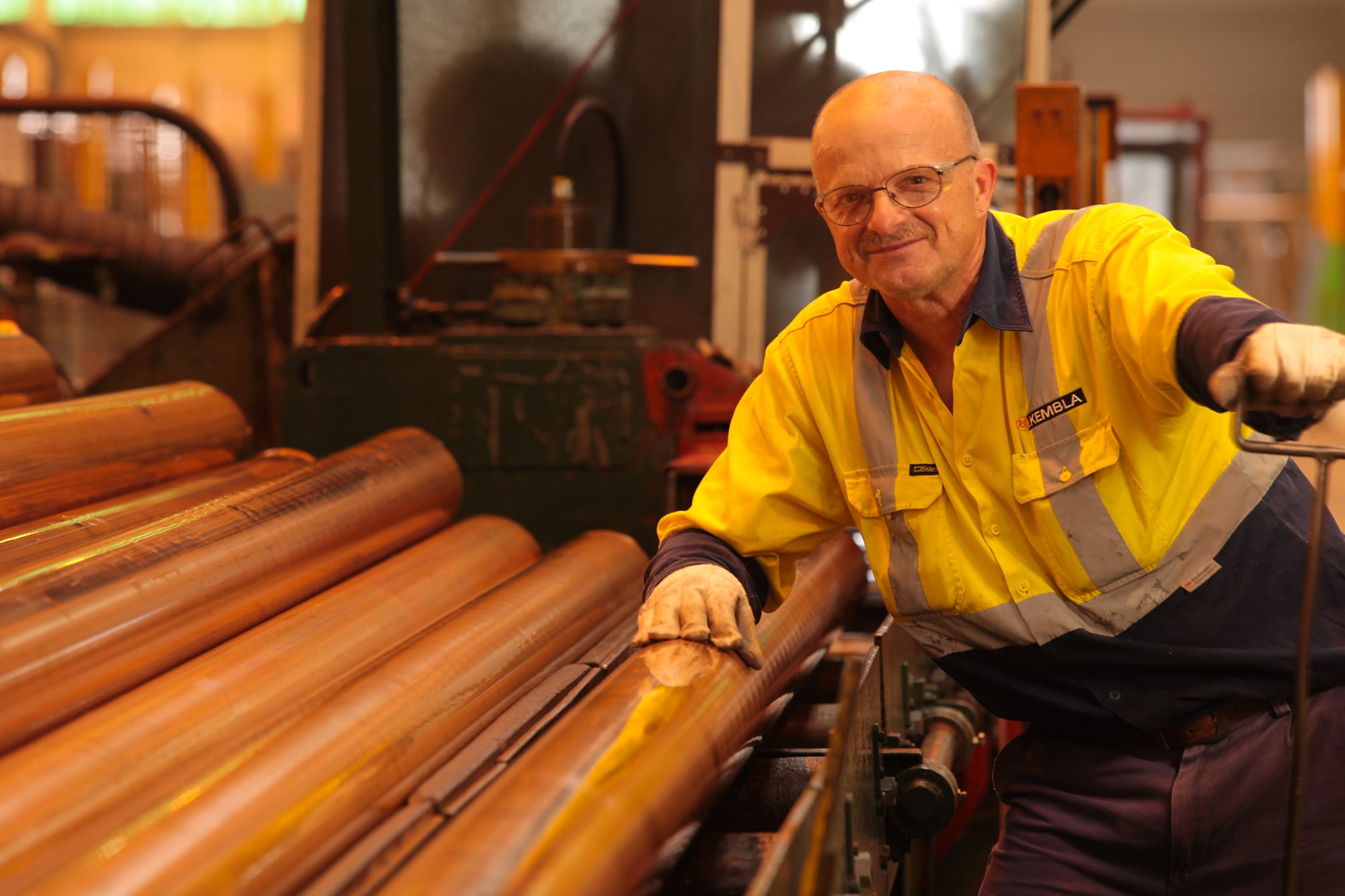
Quality isn’t a final check
Inspecting the finished product is important, but quality control shouldn’t begin and end at the production line’s final checkpoint or random testing. By that stage, the material has already passed through the processes that determine its finished characteristics.
Maintaining quality requires attention throughout manufacturing. This includes controlling relevant process conditions, checking critical dimensions, conducting appropriate testing and identifying variation that needs to be addressed. The specific checks depend on the product and its requirements, but the objective remains the same: to ensure the finished tube meets its intended specification.
Just as importantly, manufacturing quality needs to be repeatable. Producing one length of tube that meets the requirements is one thing; maintaining the required characteristics across production is another. Consistency relies on established processes, appropriate monitoring and the ability to identify and address issues when they arise.
For us, quality management is an integral part of copper tube manufacturing. It supports a disciplined approach to production and helps ensure that quality is considered throughout the process, rather than treated as a box to tick before the product leaves the factory.
Experience makes a difference
Manufacturing copper tube involves more than following a set of instructions. It requires an understanding of the material, the processes used to shape it and the characteristics needed in the finished product.
That knowledge develops through experience. Understanding how different stages of production influence the result, recognising where variation can occur and knowing what needs to be controlled all contribute to manufacturing expertise.
MM Kembla has manufactured copper tube in Australia for more than 100 years. That history represents generations of experience working with copper and refining the knowledge required to manufacture it. It provides a foundation for the way the material is approached, how production is managed and why attention to detail remains central to the process.
Experience alone isn’t a substitute for measurement, testing or documented quality systems. Its value lies in how that knowledge is applied alongside the processes and controls required to produce a consistent, specification-compliant product.
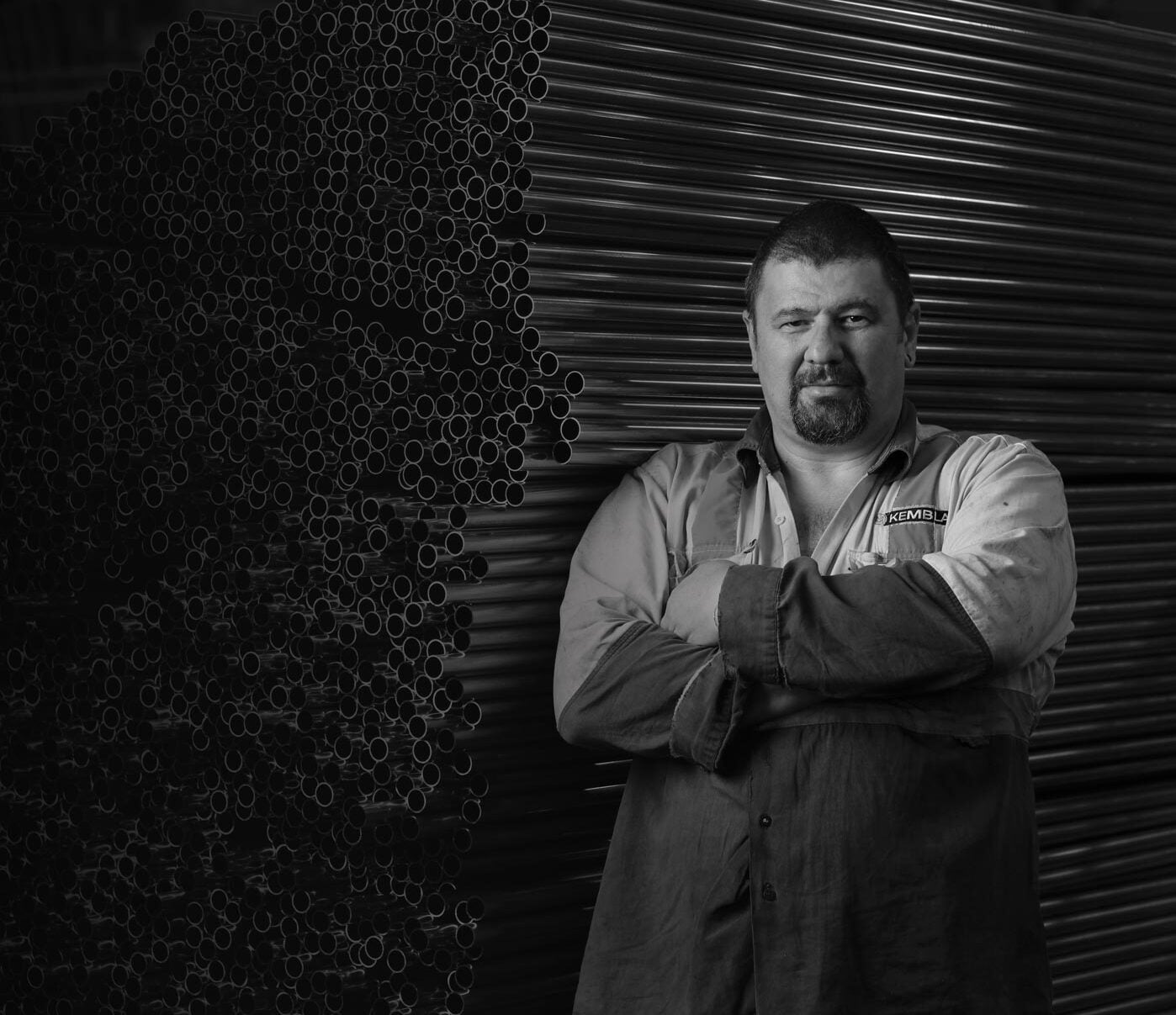
The finished product has a job to do
Once copper tube leaves the factory, it becomes part of a much larger system. It may be installed behind walls, above ceilings or throughout buildings where access can be difficult and the system is expected to perform reliably over time.
For the plumber or contractor installing it, the finished tube needs to meet the requirements of the job and work with the specified fittings and installation methods. Its dimensions, material characteristics and condition all contribute to its suitability for the intended application.
That is why the manufacturing process matters. The decisions made before a length of tube reaches the job site help determine the characteristics it brings to the installation. When those decisions are supported by appropriate controls and checks, they provide a sound foundation for a product designed to meet its requirements.
No single manufacturing feature guarantees the performance of an entire plumbing or HVAC-R system. Correct specification, installation, operating conditions and maintenance all play their part. But the quality of the materials and components used is an important part of getting the system right.
Unrivalled starts long before installation
At MM Kembla, making copper tube is about understanding the material, controlling the manufacturing process and paying attention to the details that determine the finished product. It is the combination of experience, technical knowledge and disciplined quality management that underpins the work behind every length of tube.
The result isn’t defined by one machine, one measurement or one final inspection. It comes from how the different parts of manufacturing work together, and the commitment to maintaining the required standards throughout the process.
Because quality isn’t something you can judge by appearance alone. It is built into how the product is made, the controls applied along the way and the expertise behind the finished result.
Kembla. Copper. Unrivalled.