Meeting the relevant industry product standard is an essential starting point when selecting copper tube. It establishes a common set of requirements for manufacturers and provides confidence that a product meets the technical criteria for its intended application.
But does meeting the same standard mean every copper tube is made the same way? And is compliance the only thing worth considering when choosing a product? Not quite.
Industry standards play an important role in maintaining consistency and establishing minimum product requirements. However, they don’t necessarily tell you everything about the product itself, including how it was manufactured, the additional requirements applied by the manufacturer or the level of control maintained throughout production.
For plumbers, contractors and project specifiers, understanding the difference can provide a more complete picture of the copper tube they’re putting into a job.
What does compliance actually tell you?
Product standards establish the technical requirements a copper tube must meet for its intended application. These requirements provide a common benchmark for characteristics such as material composition, dimensions and mechanical properties.
When a product complies with the relevant standard, it demonstrates that it meets those defined requirements. Supporting documentation, test results and certification can provide further evidence of compliance and help establish confidence in the product being supplied.
That matters. Standards exist for a reason, and compliance should never be treated as optional.
However, compliance tells you whether a product meets the specified requirements. It doesn’t necessarily provide a complete picture of the manufacturing practices, additional internal specifications or quality measures behind it.
These are separate considerations, but they can be just as important when understanding what you’re buying.
The standard doesn’t tell the whole story
Manufacturers can use different production methods and approaches while still producing copper tube that complies with the same industry product standard.
For example, the way copper tube is formed, drawn and finished influences the characteristics of the finished product. Its construction method also matters. Seamless copper tube, for instance, is manufactured without a longitudinal welded seam, meaning there is no weld bead or associated heat-affected zone running along its length.
These manufacturing characteristics help explain how a product is made, but they shouldn’t be confused with compliance itself. Different manufacturing methods can produce products that meet the same applicable requirements.
The important consideration is understanding what sits behind the finished product: the manufacturing method, the controls applied and the requirements the manufacturer sets for itself.
Going beyond what is required
Meeting industry product standards is fundamental, but manufacturers can also establish their own internal specifications and requirements.
At MM Kembla, these additional internal controls form part of the approach to producing copper tube. They include tighter limits for certain chemical elements than those specified by industry product standards.
Why does that matter? Because meeting a permitted limit doesn’t necessarily mean there is no benefit in exercising further control. Variations in chemical composition, for example, can influence copper’s ductility and workability, affecting how it behaves during manufacturing and applications such as bending and flaring.
Internal cleanliness provides another example of the difference between an industry requirement and what a manufacturer achieves.
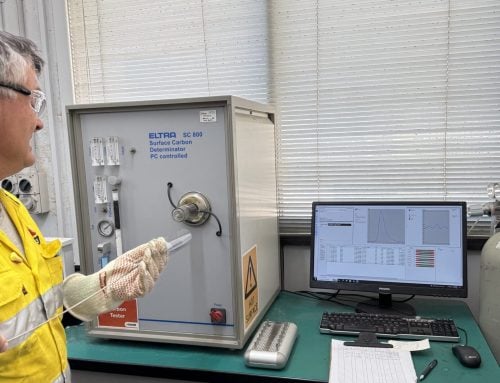
For products with applicable internal cleanliness requirements, the industry limit for residual carbon ranges from approximately 0.02 to 0.038 g/m², depending on the product.
Kembla’s typical results are around 0.005 g/m² or lower.
This demonstrates the additional level of performance Kembla typically achieves against the applicable industry requirement. It is not simply about meeting the specified limit, but maintaining a level of control that consistently delivers results beyond it.
Why manufacturing discipline still matters
Additional specifications are only meaningful when they’re supported by the manufacturing practices needed to achieve them consistently.
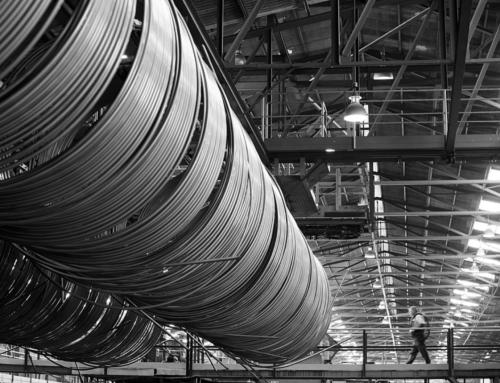
That means understanding the process, maintaining control over production and having the systems in place to identify and address variation. It also means having the ability to verify that the finished product continues to meet the requirements set for it.
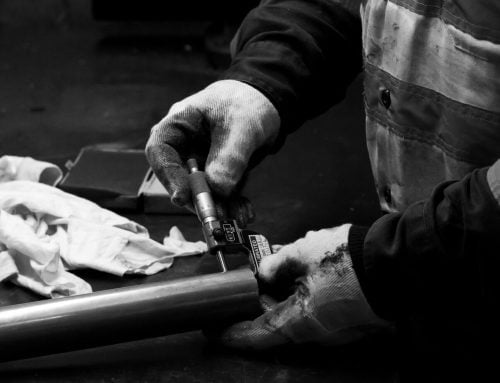
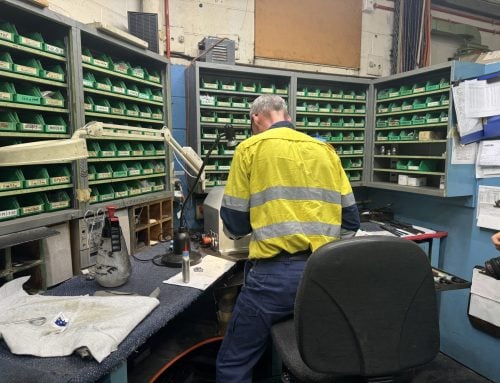
At Kembla, this commitment is supported by ongoing manufacturing checks, laboratory testing and product traceability. These measures help ensure that quality isn’t treated as a one-off result, but as something that needs to be maintained throughout production.
It’s an important distinction. A product’s compliance credentials tell you it meets the applicable requirements. The manufacturing discipline behind it helps demonstrate how those requirements, along with any additional internal specifications, are achieved and maintained.
Knowing more about what you’re buying
When selecting copper tube, compliance should always be part of the decision. But it doesn’t have to be the only consideration.
Understanding the product’s construction, the manufacturer’s approach to production, the additional specifications it works to and the evidence supporting its quality can provide a more complete picture.
For plumbers and contractors, the materials used on a job need to meet the requirements of the application and deliver the confidence needed to get the work done. For larger projects, where consistency across substantial quantities of material matters, understanding the manufacturing credentials behind a product becomes particularly relevant.
At MM Kembla, meeting industry product standards is a fundamental commitment. But the approach doesn’t stop at the minimum requirements. Additional internal specifications, manufacturing discipline and ongoing verification all contribute to the standard of copper tube Kembla aims to deliver.
Because Australian jobs demand quality materials, and the people working with them deserve confidence in more than just a compliance tick.
Kembla. Copper. Unrivalled.