In copper tube manufacturing, small dimensional differences can have a bigger impact than you might think. Getting the details right is what separates a tube that simply looks the part from one manufactured to perform consistently. When perfected, that copper tube can last you a lifetime.
Copper tube might look straightforward, but producing it to precise dimensions requires control at every stage of manufacturing. Outside diameter, wall thickness, roundness and consistency all matter. Even small variations can influence how a tube fits, how it handles installation and whether it meets the requirements of the system it is designed for.
For a manufacturer, millimetres aren’t just numbers on a specification sheet, they’re measurements that need to be achieved, checked and maintained throughout production – not just at the end of the production line.
The importance of getting the dimensions right
Copper tube is manufactured to defined dimensional requirements, including outside diameter and wall thickness. These dimensions aren’t arbitrary, they help ensure the tube is suitable for its intended application and compatible with the fittings and joining methods used to install it.
If the outside diameter varies beyond the permitted limits, achieving a consistent fit with compatible fittings can become more difficult. If the tube isn’t sufficiently round, that can also affect fittings and the quality of a joint. Dimensional accuracy is therefore about more than appearance; it’s an important part of making tube that installers can work with reliably.
Wall thickness matters just as much. It contributes to the tube’s structural characteristics and its ability to withstand the conditions for which it is specified. A tube can have the correct outside diameter and still have uneven wall thickness, which is why looking at the external dimensions alone doesn’t tell the whole story.
When small variations become bigger problems
Not every dimensional variation is a defect. Copper tube has specified tolerances, and measurements need to be assessed against the applicable product standard and specification. The challenge is maintaining control within those limits, consistently, across production.
Where wall thickness is uneven, the tube may have thinner sections than expected. Depending on the extent of the variation, the tube specification and the conditions it encounters, this can affect its resistance to deformation and contribute to performance issues. In more serious cases, inadequate wall thickness or other material and manufacturing defects may increase the risk of leakage or premature failure.
Dimensional variation can also create practical challenges during installation. Tube that doesn’t maintain the required dimensions and roundness may be harder to fit and join as intended. The quality of the finished connection still depends on factors such as the fitting, joining method, preparation and workmanship, but consistent tube dimensions help provide the right starting point.
The point isn’t that every small difference leads to a failure. It’s that dimensional control helps reduce unnecessary variation and gives installers greater confidence that the tube they’re working with meets its requirements.

It’s not just about the outside
One of the challenges with copper tube is that important characteristics aren’t always visible. A tube may look uniform from the outside, yet its wall thickness may vary around the circumference. This is where concentricity becomes important.
Concentricity describes how evenly the tube’s inner and outer surfaces align around a common centre. When the wall thickness is more uniform, there is less variation between the thicker and thinner sections of the tube. When it is uneven, the tube can have a greater degree of eccentricity.
This is why dimensional checks need to go beyond a quick visual inspection. Measuring the outside diameter alone cannot confirm that wall thickness is consistent around the tube. Appropriate inspection and measurement methods are needed to assess the characteristics that matter for the product and its intended use.
Precision isn’t a once-off exercise
Achieving the right dimensions on a single piece of copper tube is one thing. Maintaining them throughout a production run is another.
Manufacturing involves multiple stages, and each needs to be controlled to produce a consistent finished product. Process settings, tooling condition, measurement practices and routine checks all contribute to dimensional control. If something begins to drift, it needs to be identified and addressed before variation becomes a larger issue.
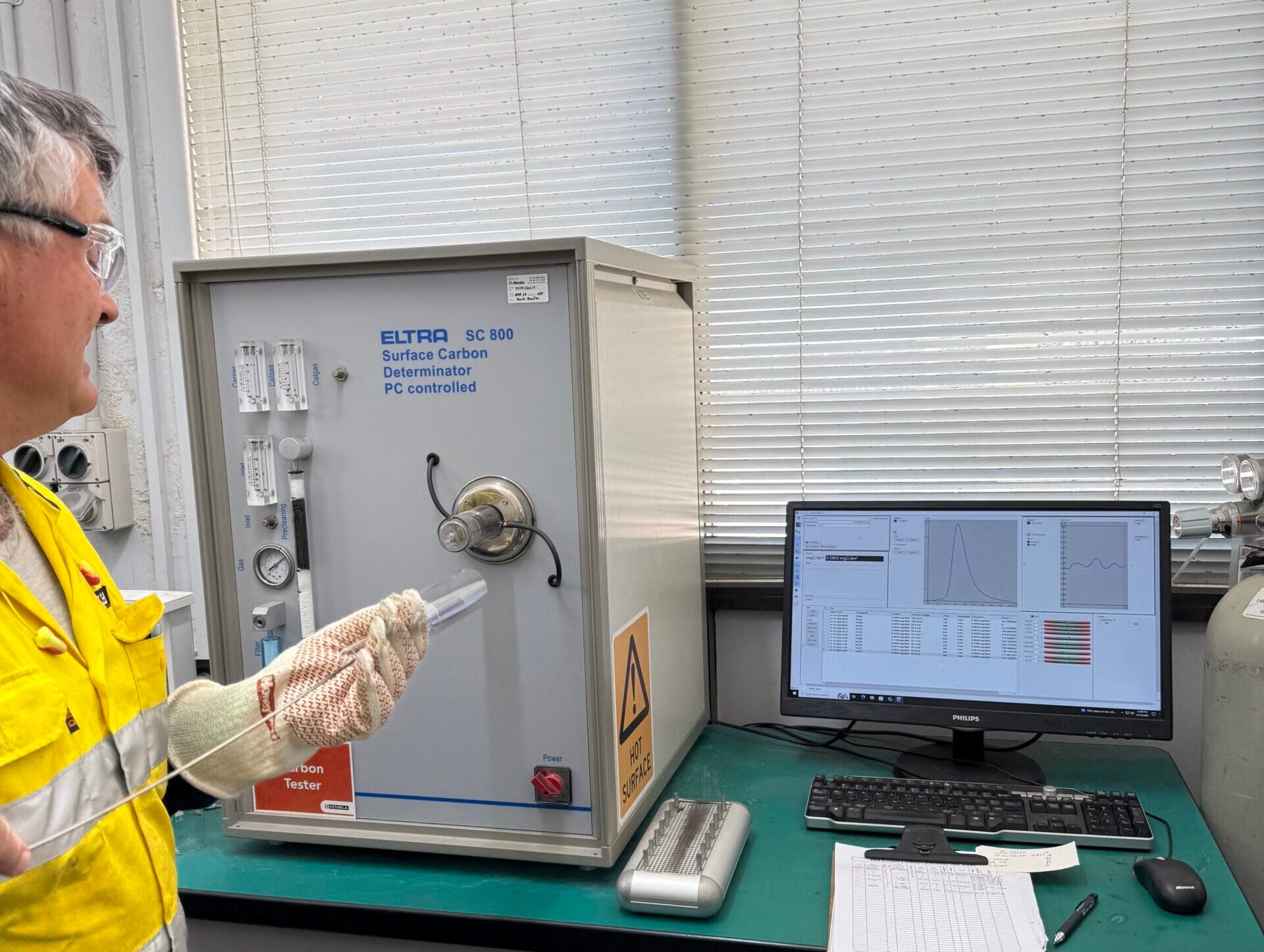
That means quality cannot rely on a final inspection alone. Checks throughout production help identify changes earlier, while finished-product inspections help verify that the tube meets the applicable requirements. The specific checks and acceptance criteria depend on the product, its specification and the relevant standard.
Consistency is the real test. A reliable manufacturing process needs to deliver tube that meets its dimensional requirements not just occasionally, but repeatedly across production.
The experience behind the measurements
Precision manufacturing requires more than knowing the numbers. It requires the processes, equipment, measurement systems and practical experience to achieve consistency.
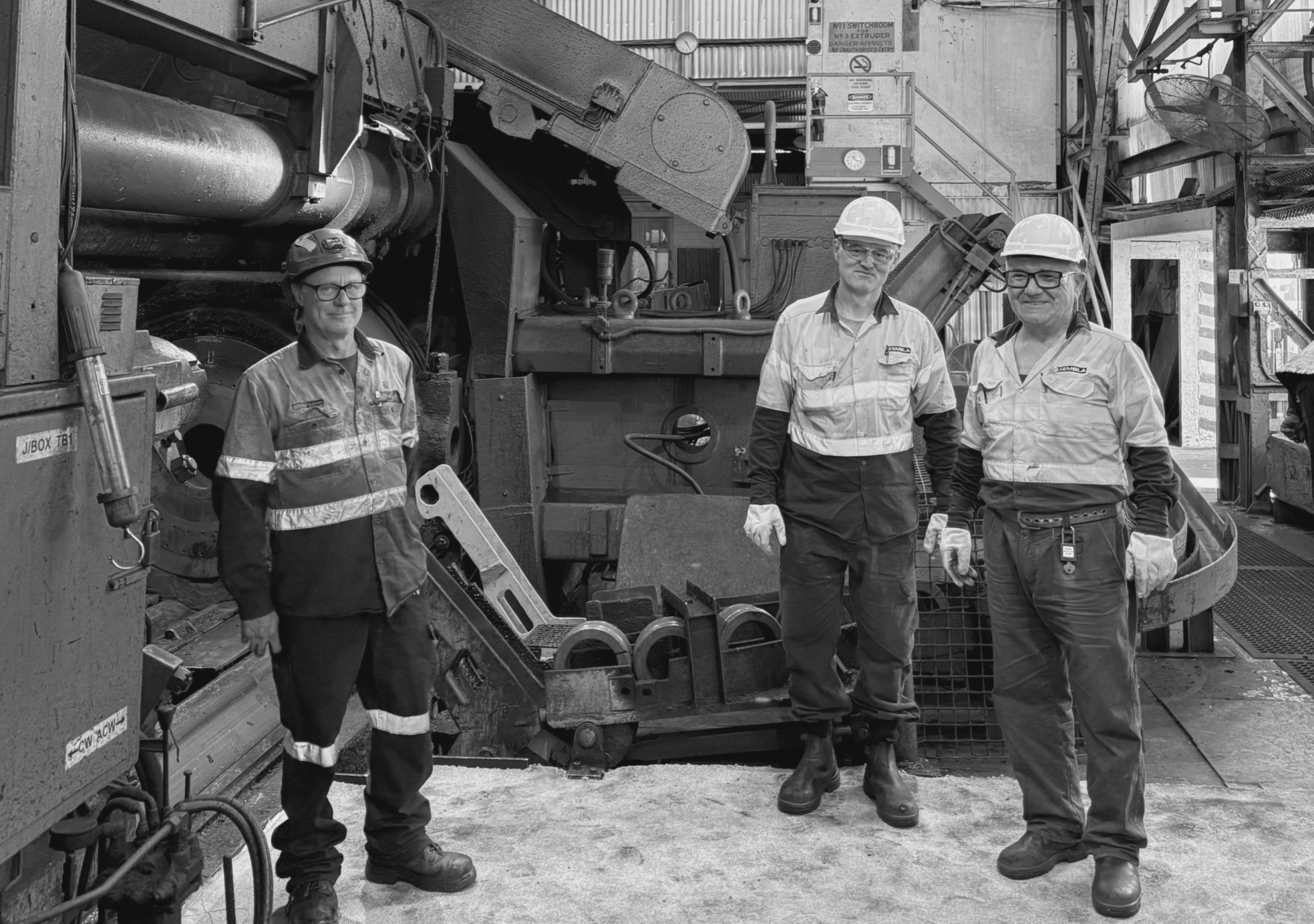
At Kembla, more than a century of copper tube manufacturing experience has built a depth of knowledge around the material and the processes involved in producing it. That experience matters when understanding how manufacturing variables affect the finished tube, recognising when something isn’t right and maintaining control over the details.
But experience alone isn’t a quality check. It needs to work alongside defined requirements, appropriate measurement, testing and quality controls. The aim is to make precision part of the manufacturing process, rather than relying on someone to catch a problem at the end.
Because millimetres matter
When copper tube is installed, the details that went into manufacturing it are no longer front of mind. What matters is that the tube is suitable for its application, meets the required specification and can be installed as intended.
That’s why dimensional accuracy deserves more attention than it often gets. Outside diameter, wall thickness, roundness and consistency all play a role in the finished product and the longevity of that product. Small variations don’t automatically mean a tube will fail, but controlling those variations is an essential part of producing tube that exceeds the requirements reliably.
At Kembla, precision is not about chasing numbers for the sake of it. It’s about understanding what those numbers mean, controlling the process behind them and getting the details right, time after time.
Kembla. Copper. Unrivalled.