
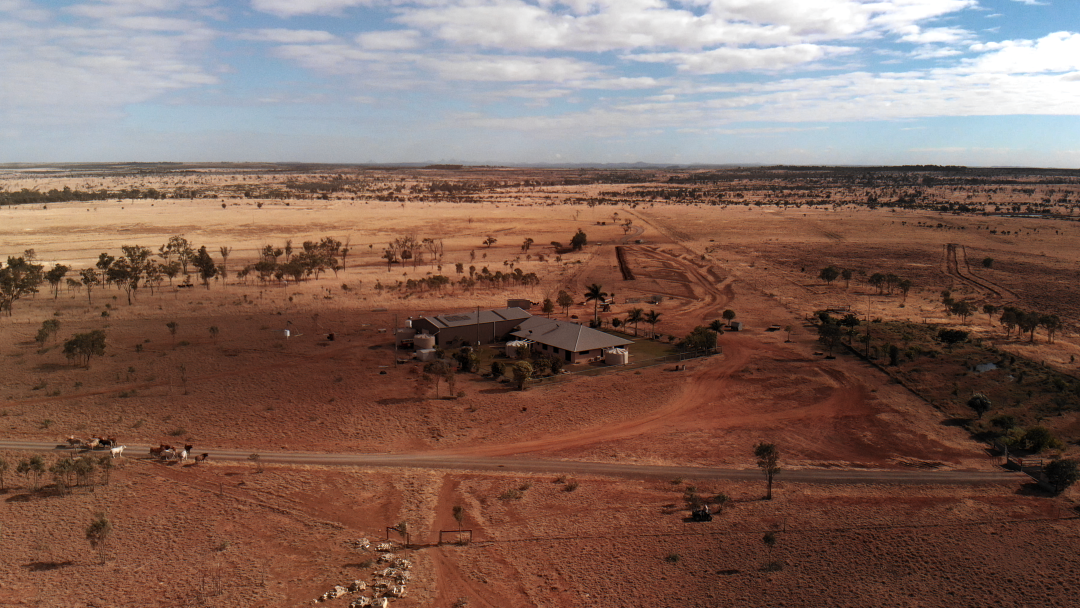
Australia is not a forgiving environment for building materials. The UV intensity along the coast, the salt air in maritime climates, the heat in the north, the wide temperature swings between seasons in the south. The conditions that building services infrastructure has to survive here are genuinely different from what most generic spec sheets are written for, and the materials behind the wall are expected to handle it without intervention for the life of the building.
A Material Built for the Long Haul
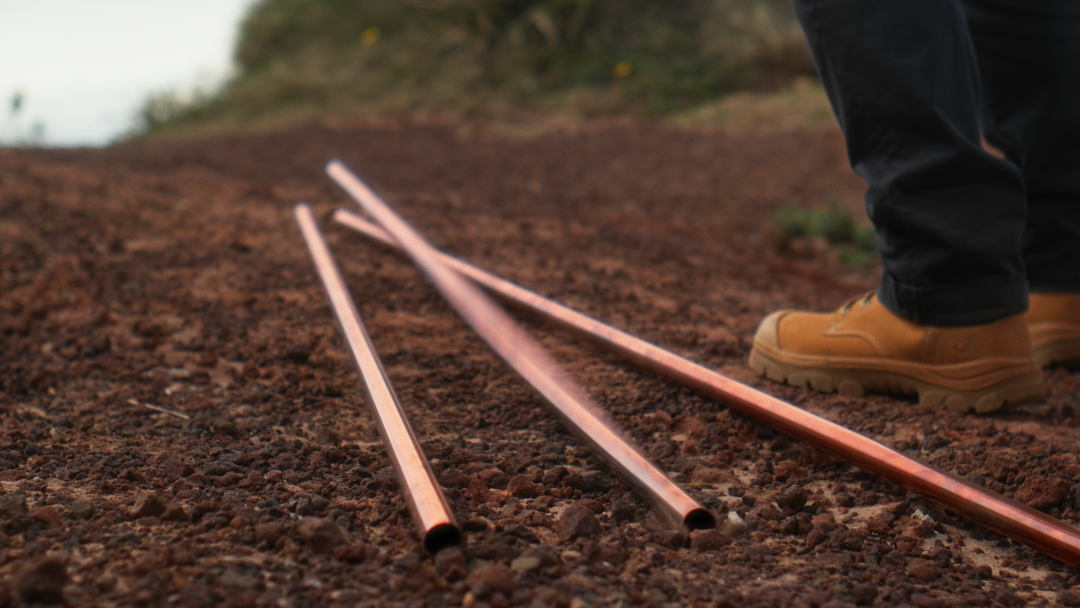
Copper tube regularly delivers service lives exceeding 50 years when correctly designed and installed. That’s a once-in-a-generation investment for most buildings, and the physical properties behind that longevity are well documented. Copper’s smooth internal bore offers high flow rates with minimum resistance. It is impervious to oxygen, insecticides, solvents and toxins, non-flammable and does not emit toxic fumes in a fire. With a melting point of 1,083 degrees Celsius, hot water doesn’t alter its shape or shorten its life. Copper also has 7 to 15 times less linear expansion than many alternative pipe materials, which reduces the creep and movement stress that accumulates over decades of thermal cycling — a meaningful advantage in Australia’s climate.
In remote locations, where extreme conditions and infrequent servicing are facts of life, copper’s resilience against UV exposure, rodent damage, temperature extremes and chemical exposure makes it the practical choice as much as the technical one.
What Australian Conditions Actually Test
Coastal and high-humidity environments accelerate the effects of any inconsistency in tube quality. Temperature cycling stresses joins and fittings over time. Underground and concealed installations are expected to perform without access for remediation for decades, which means the margin for a quality shortcut at the point of purchase is very slim. The tube that performs across these conditions is manufactured to a consistent, verified standard from a quality starting material, with wall thickness and internal properties that hold up to what Australian installations actually demand.
Copper’s thermal conductivity also works directly in the building’s favour. Hot water systems transfer heat more efficiently, reducing energy losses and delivering hot water faster. In hydronic heating and HVAC applications, the thermal performance of copper contributes to system efficiency in ways that flow through to operational costs over the life of the asset.
Made in Australia, for Australian Projects
Kembla has been manufacturing copper tube at Port Kembla since 1916. Over a century of continuous manufacturing in the same location has produced a depth of knowledge about how copper behaves in Australian applications that no importer can replicate. Over 87% of Kembla tube is manufactured from LME Grade A copper cathode, sourced from BHP Olympic Dam in South Australia, with no external scrap in the feedstock. Kembla’s KemCore Technology monitors and controls wall thickness consistency across every single length, so the tube behaves predictably at the bend, joins reliably at the fitting and performs consistently under the conditions Australian installations put it through day after day.
The supply chain is fully traceable, which gives project teams, asset managers and contractors the documentation certainty that long-lasting building infrastructure requires.
Built to Last, Built to Be Reused
Copper is 100% recyclable with no loss of quality or properties, and around two-thirds of all copper ever produced is still in active use today. In demolition or renovation, it is recovered rather than landfilled. Kembla copper carries GreenTag GreenRate Level A certification and CopperMark status, supporting green building program credit points for projects where sustainability documentation matters.
The Right Spec for the Job
Kembla’s technical team works to (and exceeds) Australian standards, supports Australian contractors and specifiers and has spent generations refining a product for the climate, the regulatory environment and the job site realities of this country. That shows up in the certifications that matter here: Watermark (Licence no. WMKA0945), CopperMark, GreenTag GreenRate Level A and manufacture to AS/NZS standards.
Professional plumbers understand a simple truth: the cheapest pipe today isn’t always the cheapest pipe over the life of the building. Copper has earned its position across Australia’s homes, hospitals, schools and commercial buildings through decades of proven performance, and that’s carried in every length of tube that leaves Port Kembla.
Kembla. Copper. Unrivalled.